Give Sales One Hour a Day Before You Build Another Business
An eight-figure founder’s simple sales system for small business owners who don’t love selling
By Austin Holmes, Co-Founder & President, Publicity For Good & Signal Raptor / Host of OverPressure Podcast
Focus Insights
- One protected hour a day for relationships and offers gives a small business a sales system it can actually keep.
- SOPs and KPIs borrowed from corporate life give a growing company the structure it needs to scale.
- A second or third company makes sense once the first one runs without the founder holding it together.
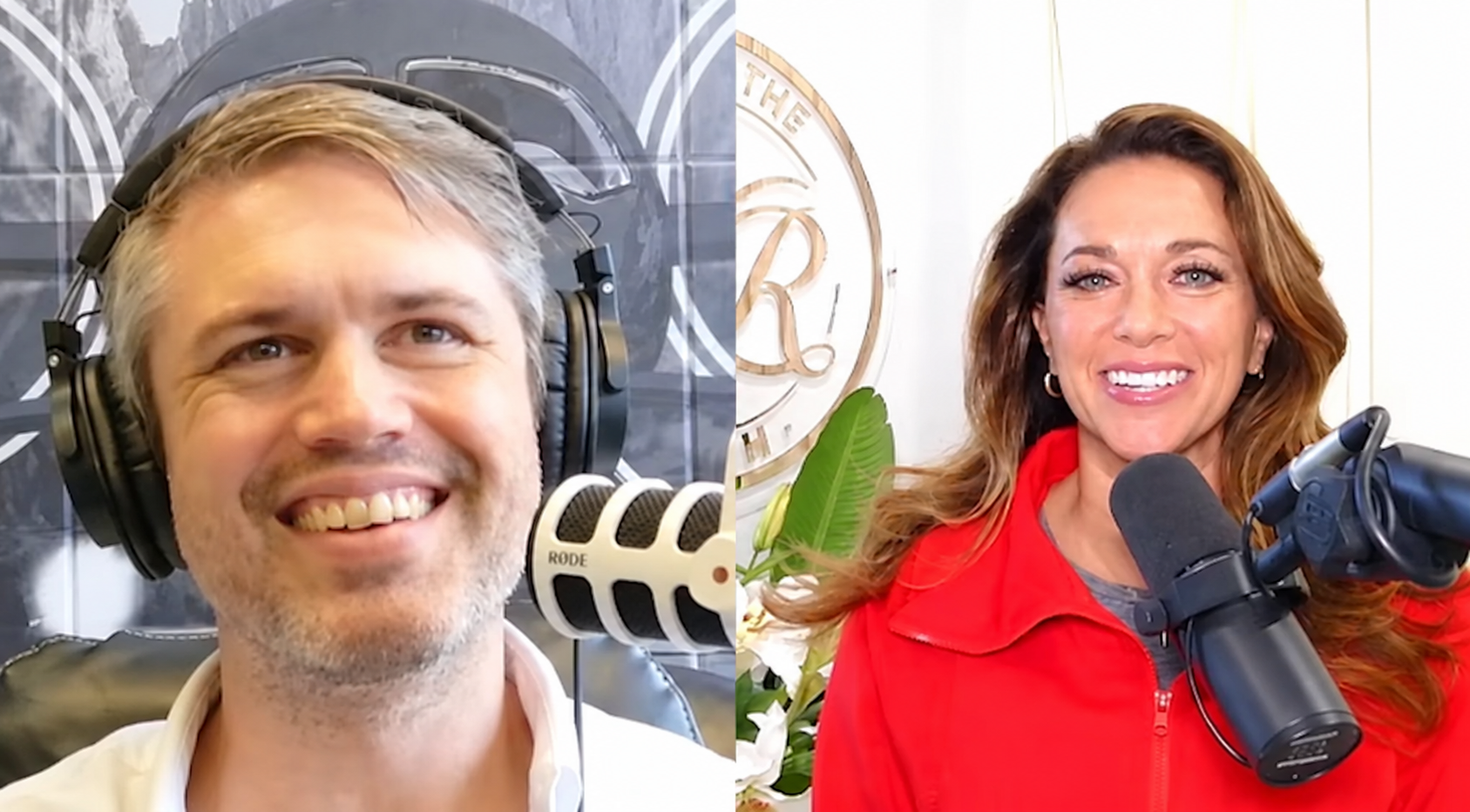
Kelly Roach often asks the entrepreneurs she interviews how many hours a day they spend making offers, and most tell her zero, even while working 60 to 80 hours a week. That answer stuck with me, because we grew for a while without a real sales process either.
Kelly spent about ten years in the Fortune 500 world, was promoted seven times in eight years and eventually led a team of 100 people across 17 locations. She started her first company, The Business Advisory, on lunch breaks and evenings while still in that executive job, grew it to seven figures before she left, and says it passed eight figures roughly 18 months later. She now has six companies in her portfolio.
One Hour a Day for Sales
Her answer for owners who don’t love selling is to treat sales as a daily system with a time limit. One hour a day goes to building relationships and making offers. Kelly’s view is that a lot of small businesses have no plan or process around sales, and usually the owner is the only one selling, which leaves the whole company exposed.
Heather started our company doing public relations, and I came in for the business side, building the team and driving growth. When we worked with Closers.io, we realized we had no real system around sales, which explained a lot of our struggles. Building one made revenue predictable enough that I can now make real projections.
Corporate Systems Are Small Business Tools
Kelly says she still uses what she learned in corporate every single day, and she finds it ridiculous when founders refuse to copy anything from big companies. Large companies carry red tape and bureaucracy, and they also run on standard operating procedures and key performance indicators that keep work from turning into a pile of random tasks.
I had a similar surprise as we grew. Plenty of processes I once would have called too corporate proved to be exactly what a business needs at a certain size. Kelly also points out that running the business is a separate skill from delivering the service, and it’s rare to find someone who loves the running part.
Get One Company Right Before You Start Another
People see six companies and assume that’s the goal, and Kelly is blunt that most founders shouldn’t try it. Running several brands does create economies of scale, and her team can take a new business from zero to a million dollars in months because the people, systems and resources already exist. She only started building those other companies after her first one hit eight figures, when she decided she didn’t want to grow it further with a hundred coaches on staff.
For everyone else, a portfolio is usually a distraction. Building several things at once is harder and slower than building one well. My own rule is that a business has to run itself before I split my attention, or we need the right people in place to run it.
Build the Team Before You Chase More Clients
Kelly calls the common online advice that more clients bring more freedom an incomplete thought, since more clients without the right team turns into a nightmare. In her experience, freedom comes when the team can take real ownership of the work.
Her hiring background helps here, since recruiting was her industry before she was ever a founder. She focuses on finding talent, developing it and promoting people into leadership. On our side, the recent challenge has been filtering applications so we know we’re hearing from the actual person and their real experience.
Handling Pressure in a Fast-Moving Company
Entrepreneurial companies change direction often, based on data and results, so Kelly looks for people who stay steady through change. Someone who reacts emotionally to every pivot can unsettle the rest of the team. She also encourages her people to sleep, exercise and take walks during the day, and she works out every day herself, because teams tend to copy what they see their leader do.
Kelly Roach on Sales Systems and Small Business Growth
- Many small businesses lack a sales process, and the owner is often the only salesperson.
- Kelly Roach recommends one hour a day of relationship-building and offers as a starting sales system.
- SOPs and KPIs give a growing company structure and a clear path forward.
- Running multiple companies creates economies of scale, and Kelly advises waiting until one business is well established before adding another.
- She has seen businesses that invest in relationships grow faster in an AI-heavy market.
Decide How You Want to Live
Kelly made a point early in our talk that I keep thinking about. Many people start a business for freedom and never use it, so they end up just as unhappy as they were in a job. She puts faith first and family second, homeschools her daughter and protects weekends for family time, and she believes a manageable schedule starts with deliberate decisions about what gets your time. We aim for a trip every quarter for the same reason. Pick the hour for sales and the time for family this week, and put both on the calendar before anything else gets there.
My complete conversation with Kelly Roach is up on the OverPressure Podcast, with YouTube and Spotify both carrying it.
——-
About the Author
Austin Holmes is a Navy Special Operations veteran, father, and entrepreneur. He is the co-founder and President of Publicity For Good and CEO of Signal Raptor, a SaaS-enabled PR platform that modernizes one of the most traditional industries by productizing services and pairing technology with human expertise. He hosts the OverPressure Podcast, where he interviews veteran entrepreneurs about building businesses under real-world pressure.